Understanding the Role of Packaging Equipment Manufacturers
In today's fast-paced manufacturing environment, packaging equipment manufacturers play a crucial role in ensuring that products are efficiently packaged for distribution and sale. They provide the essential technology and machinery required to automate and streamline packaging processes across various industries, including food, pharmaceuticals, and consumer goods. By innovating packaging solutions, manufacturers like Durzerd help businesses optimize operations, enhance product presentation, and reduce waste.
What is a Packaging Equipment Manufacturer?
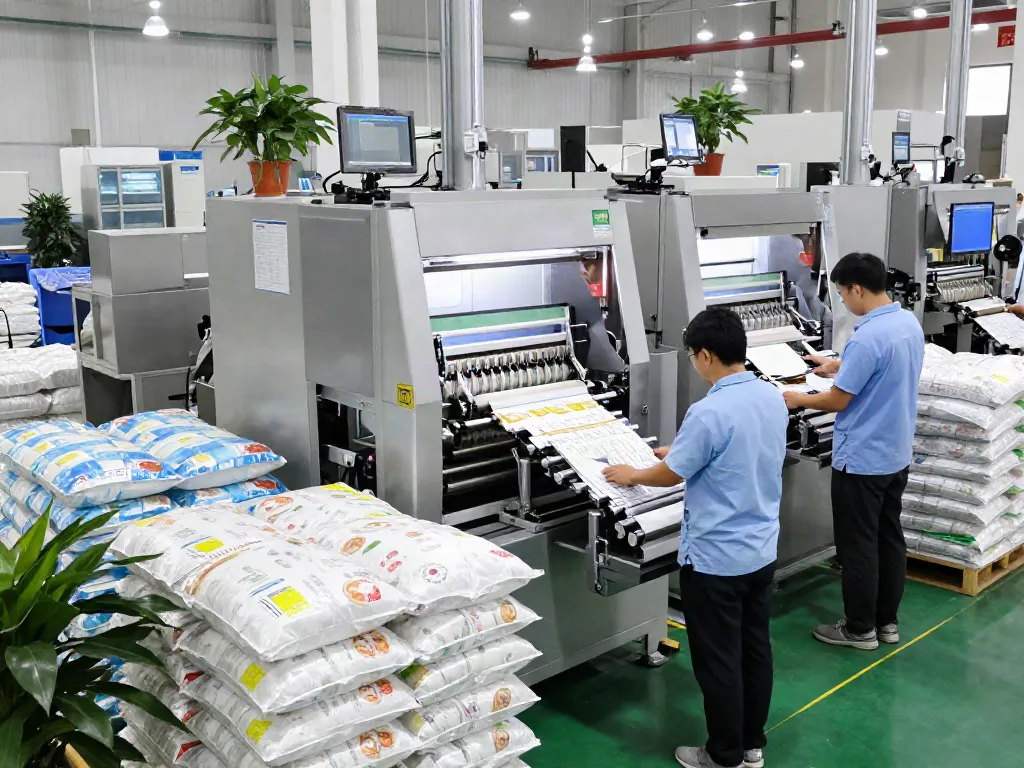
A packaging equipment manufacturer produces machinery that automates packaging processes. This includes machines for filling, sealing, labeling, and palletizing products. Companies like Durzerd focus on specialized equipment, such as open-mouth bagging machines and FFS (Form-Fill-Seal) packaging lines, tailored to meet the unique needs of different sectors. The goal is to provide integrated solutions that maximize efficiency, reduce labor costs, and enhance product quality.
The Importance of Quality in Packaging Machinery
Quality is paramount when it comes to packaging machinery. High-quality equipment ensures reliability, minimizes downtime, and maintains consistent product integrity. Poor-quality machines can lead to production delays, increased operational costs, and wasted materials. Consequently, businesses must prioritize choosing a reputable packaging equipment manufacturer that guarantees durability and efficiency.
Key Technologies Used in Modern Packaging
Modern packaging involves various advanced technologies that enhance functionality and efficiency. Some key technologies include:
- Robotics: Automated robotic systems can handle product placing, packing, and palletizing, reducing manual labor and increasing speed.
- IoT Integration: Smart packaging machinery connected to the Internet of Things allows for real-time monitoring and predictive maintenance.
- Flexible Packaging: Equipment that can accommodate multiple package shapes and sizes to cater to diverse product lines.
These technologies not only improve productivity but also support sustainability efforts by minimizing waste and resource use.
Evaluating Potential Packaging Equipment Manufacturers
Choosing the right packaging equipment manufacturer is essential for long-term success. Evaluating potential suppliers involves assessing various factors that contribute to effective partnerships and successful outcomes.
Essential Criteria for Choosing Suppliers
When selecting a packaging equipment manufacturer, consider the following criteria:
- Experience: Look for manufacturers with a proven track record and industry-specific expertise.
- Customization: Evaluate their ability to tailor solutions to meet your unique needs.
- Customer Support: Ensure they provide comprehensive after-sales support, including maintenance and training.
- Technology: Assess the level of innovation and technological integration in their machinery.
Common Red Flags of Unreliable Manufacturers
It is just as important to identify potential red flags when evaluating packaging equipment manufacturers. Be cautious of suppliers who:
- Do not provide clear information about their equipment specifications.
- Lack transparency in pricing and lead times.
- Have poor customer reviews or a history of unresolved complaints.
- Do not offer warranties or guarantees on their products.
Case Studies of Successful Collaborations
Many businesses have benefited from partnering with established packaging equipment manufacturers. For instance, a leading food processing company increased its production speed by 50% after integrating Durzerd's open-mouth bagging machines. This not only enhanced their operational efficiency but also improved the quality of their packaging, leading to increased customer satisfaction and sales.
Cost-Effective Solutions from Packaging Equipment Manufacturers
As industries strive for profitability, cost-effective packaging solutions become more critical than ever. Manufacturers are introducing innovative designs and technologies that significantly reduce operational costs.
Strategies to Reduce Operational Costs
To achieve cost savings, consider the following strategies:
- Invest in Automation: Automating packaging processes can drastically lower labor costs and improve efficiency.
- Optimize Layout: Streamlining the production line layout reduces handling times and enhances workflow.
- Regular Maintenance: Schedule consistent maintenance to prevent unexpected breakdowns and costly downtimes.
Innovative Approaches to Enhance Productivity
Beyond cost reduction, manufacturers are leveraging innovative approaches to boost productivity. This includes the use of data analytics to identify bottlenecks, training employees in best practices, and utilizing high-speed machinery designed for maximum output.
Real-World Examples of Cost Savings
For example, a beverage manufacturer incorporated FFS lines from Durzerd, leading to a significant reduction in material waste and a 30% decrease in packaging costs. Such success outlines the importance of choosing the right equipment to align with business goals.
Future Trends in the Packaging Equipment Industry
The packaging equipment industry is continuously evolving, influenced by technological advancements and changing consumer preferences. Staying informed about these trends is crucial for businesses aiming to maintain a competitive edge.
Technological Advancements to Watch in 2026
By 2026, expect to see significant advancements in robotics and artificial intelligence in packaging equipment. These technologies will enhance machine learning capabilities, enabling packaging systems to adapt in real-time to varying production needs and conditions.
Sustainability Trends Impacting Equipment Design
As sustainability takes center stage in packaging, manufacturers are developing machinery that supports recyclable and biodegradable materials. This shift will not only meet regulatory requirements but also cater to the environmental concerns of consumers.
Predictions for Market Growth and Innovation
The packaging machinery market is anticipated to grow significantly, driven by the demand for automation and advanced packaging solutions. This growth will encourage ongoing innovation, resulting in more efficient and versatile packaging systems tailored to meet the needs of diverse industries.
Frequently Asked Questions About Packaging Equipment
What should I consider when selecting a packaging equipment manufacturer?
When selecting a packaging equipment manufacturer, consider their experience, the quality of their products, customization options, and the level of customer support they offer. A thorough evaluation of these factors will help ensure that you choose a reliable partner for your packaging needs.
How can I ensure the equipment meets my business needs?
To ensure that the equipment meets your business needs, conduct a detailed analysis of your production processes, identify specific requirements, and communicate them clearly with potential manufacturers. Engage with their technical teams to explore customized solutions tailored to your operations.
What are the maintenance requirements for packaging machinery?
Maintenance requirements vary by machine and manufacturer. Generally, regular inspections, cleaning, and timely replacement of worn-out parts are vital for ensuring optimal performance. Consult the manufacturer's guidelines for specific maintenance procedures and schedules.
Are there regulations I should be aware of in packaging?
Yes, packaging is subject to various regulations depending on the industry and region. Food packaging, for instance, must comply with safety and labeling standards set by regulatory bodies. Be sure to familiarize yourself with applicable regulations to remain compliant.
How has the industry evolved since 2005?
Since 2005, the packaging industry has seen a significant shift towards automation, sustainability, and smart packaging solutions. The integration of technology has transformed traditional packaging processes, enhancing efficiency and responsiveness to market demands.