
Trekking is more than walking through mountains for several days. It changes how you use your body, how you deal with challenges, and how you see everyday life. You may begin a trek looking for beautiful scenery or a personal challenge, but you often return with a different perspective.
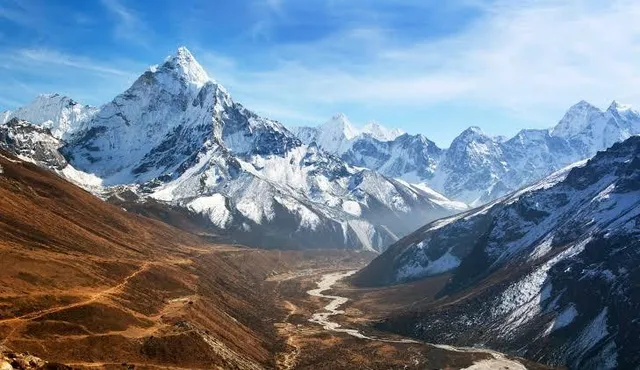
An Everest Base Camp Trek is a good example. The journey takes you from Lukla through Sherpa villages, forests, suspension bridges, and high mountain landscapes before reaching Everest Base Camp at 5,364 meters. The gradual change in altitude, daily walking, simple mountain lifestyle, and time away from normal routines create an experience that can stay with you long after you return home.
Trekking also has documented physical and psychological benefits. Research on outdoor hiking has linked regular hiking with improvements in physical health, mood, stress management, and social interaction.
But some of the biggest changes are less obvious. Trekking teaches you to slow down, accept discomfort, appreciate simple things, and focus on what matters in the moment.
Here are 10 ways trekking can change you.
1. You Become More Comfortable With Discomfort
One of the first things trekking teaches you is that discomfort is not always a problem.
Your legs may feel tired after a long climb. Your shoulders may ache from carrying a backpack. The weather may change suddenly, and a warm shower may not always be available.
At first, these things can feel frustrating. After several days on the trail, however, you often become better at accepting them.
You learn that being tired does not necessarily mean you have to stop. You can take a short break, drink some water, adjust your backpack, and continue.
This does not mean ignoring genuine health problems. In high-altitude environments, especially, symptoms such as severe headache, confusion, unusual weakness, or difficulty breathing should be taken seriously.
Instead, trekking teaches a more useful lesson: not every uncomfortable situation needs an immediate solution.
That mindset can be useful long after you leave the mountains.
2. You Learn to Appreciate Small Things
Everyday life gives us easy access to things we often overlook.
A hot shower. A comfortable bed. A reliable internet connection. A warm meal. Clean drinking water.
When you spend several days trekking, these ordinary things can suddenly feel valuable.
A simple cup of tea after a long walking day can become something you genuinely look forward to. A warm sleeping bag can feel luxurious. Reaching a teahouse before sunset can feel like a major achievement.
The mountains can change your definition of comfort.
Instead of constantly looking for something bigger or better, you may begin appreciating what is already available.
That lesson can follow you home.
You may find yourself wasting less, complaining less about minor inconveniences, and paying more attention to simple experiences.
3. You Become More Patient
Trekking rarely happens at the speed you expect.
A trail that looks short on a map can take hours. A steep climb may require frequent breaks. Weather can delay transportation. A group may need to slow down for someone who is struggling.
You cannot simply rush through a mountain trail.
This forces you to develop patience.
You learn to focus on the next section of the trail rather than constantly thinking about how much remains.
This is particularly important at high altitude. The Everest Base Camp route, for example, reaches 5,364 meters at Base Camp, while Kala Patthar rises to around 5,545 meters. The combination of altitude and physical effort makes pacing important.
You learn that moving slowly can sometimes be the most effective way to keep moving forward.
That can change how you approach challenges outside the mountains too.
4. You Become More Aware of Your Body
Modern life often makes it easy to ignore what your body is telling you.
You may sit for hours, eat quickly, sleep irregularly, and continue working even when you are exhausted.
Trekking makes that much harder.
Your body becomes your most important tool.
You notice when you need water. You recognize when you need food. You become aware of tired muscles and sore feet. You learn how much rest you need before continuing.
You also become more aware of your breathing, especially when walking uphill or at higher elevations.
This increased awareness can help you understand your physical limits more clearly.
The goal is not to push your body as far as possible. Good trekking is about knowing when to continue, when to rest, and when to slow down.
5. You Become Mentally Stronger
A long trek often contains moments when you question yourself.
Maybe the climb is steeper than expected. Maybe you wake up tired. Maybe the weather is unpleasant. Maybe the next village still feels very far away.
You may think, “Can I really do this?”
Then you take another step.
And another.
Eventually, you reach your destination.
That experience can build confidence because you have direct evidence that you can handle difficult situations.
You do not need to complete a technically difficult expedition to experience this. Even a demanding multi-day hiking route can teach you how to manage fatigue, uncertainty, and frustration.
The important lesson is that progress does not always feel dramatic.
Sometimes progress simply means continuing.
6. You Learn to Disconnect From Technology
Many people begin a trek intending to stay connected.
Then the mountains change the routine.
There may be limited connectivity. Your phone battery becomes something you manage carefully. Instead of checking notifications every few minutes, you start paying attention to the trail.
You notice the sound of a river.
You watch clouds move across a mountain.
You talk to the people walking beside you.
You sit quietly with a cup of tea.
This temporary distance from technology can make you more aware of how much attention everyday digital habits consume.
You do not necessarily need to abandon your phone permanently after returning home.
But you may become more intentional about when you use it.
You may leave your phone aside during meals, spend more time outdoors, or simply enjoy a conversation without checking notifications.
7. You Build Stronger Connections With People
Trekking brings people together in a unique way.
You may start a journey with strangers and spend several days walking, eating, resting, and overcoming challenges together.
Shared experiences create natural connections.
You encourage someone during a difficult climb. Someone else waits for you when you need a break. You share snacks, stories, jokes, and travel experiences.
The same can happen between trekkers and local guides, porters, teahouse owners, and other community members.
On routes in Nepal, trekking also provides opportunities to experience local communities and cultures. In the Everest region, villages along the trail offer insight into Sherpa traditions and mountain life.
These interactions can remind you that people from very different backgrounds can connect through simple experiences.
Sometimes the people you meet for a few days become some of the most memorable parts of the journey.
8. You Become More Connected to Nature
One of the biggest differences between trekking and everyday urban life is the amount of time spent outdoors.
Instead of seeing nature through a car window or a screen, you experience it on foot.
You notice changes in vegetation as you gain altitude. You hear rivers flowing through valleys. You walk through forests and across suspension bridges. You watch clouds form around mountain peaks.
The environment becomes part of your daily experience.
Research has found that spending time in nature and engaging in outdoor activity can support mood and stress management.
But the change can also be more personal.
After spending days surrounded by mountains, you may return home with greater appreciation for parks, forests, rivers, and open spaces.
You may start looking for opportunities to spend more time outdoors, even when you are not trekking.
9. You Change Your Definition of Success
Before a trek, success may mean reaching a specific destination.
On the trail, that definition can change.
You may start by thinking only about reaching the next village. Then you realize that reaching the destination is only one part of the experience.
You remember the sunrise you watched from a mountain viewpoint.
You remember crossing a suspension bridge.
You remember a conversation with your guide.
You remember the moment you first saw a massive Himalayan peak.
You remember the day you were exhausted but kept going.
The journey becomes as important as the final destination.
This can influence how you approach other goals in life.
Instead of measuring everything by the final result, you may begin paying more attention to the process.
That can make long-term goals feel more manageable because you learn to value small steps.
10. You Return Home With a Different Perspective
Perhaps the biggest change happens after the trek ends.
When you return to your normal routine, familiar things may look slightly different.
The traffic that once seemed normal may feel frustrating. Your office may seem smaller. Your daily schedule may suddenly feel busy.
You may remember how simple life felt on the trail.
Wake up. Eat breakfast. Walk. Rest. Eat. Walk again. Reach the next village. Watch the mountains. Sleep.
That simplicity can make you reconsider how you spend your time.
You may want to travel more. You may want to spend more time outdoors. You may want to exercise regularly. You may decide to spend less time on things that do not add much value to your life.
Trekking does not automatically transform every part of your life.
But it can give you space to think about what you want to change.
Trekking Teaches You to Slow Down
Modern life often rewards speed.
We want faster transportation, faster communication, faster work, and faster results.
Trekking works differently.
You walk.
You rest.
You eat.
You walk again.
A journey that could take minutes by vehicle may take hours on foot.
At first, this can feel slow. Eventually, you may begin to enjoy it.
Walking gives you time to observe your surroundings and think without constantly rushing toward the next task.
This slower rhythm can be one of the most valuable parts of trekking.
You begin to understand that not everything needs to happen immediately.
Trekking Can Change Your Relationship With Goals
A trekking route gives you a clear goal, but it also teaches you how to break a large challenge into smaller sections.
You do not reach a high mountain destination in one step.
You reach one village, then another. You climb one hill, cross one bridge, and continue toward the next stop.
The same principle applies to many goals outside trekking.
A large project can feel overwhelming when viewed as one enormous task. Breaking it into smaller steps makes it easier to manage.
Trekking gives you a physical experience of this idea.
You do not need to imagine how you will complete the entire route at once.
You only need to focus on the trail ahead.
The Changes Can Continue After the Trek
The effects of trekking do not necessarily end when you leave the mountains.
The physical benefits of hiking can encourage you to remain active. The mental space created by time outdoors can encourage you to spend more time in nature. The relationships developed during a trek can remind you of the importance of meaningful connections.
Most importantly, trekking can give you a clearer understanding of yourself.
You discover how you respond to tiredness, uncertainty, discomfort, and unexpected changes.
You learn what you need to feel comfortable.
You discover what you can live without.
And sometimes, you discover that you are capable of much more than you expected.
Conclusion
Trekking changes more than your location. It can change your habits, priorities, confidence, and perspective.
You learn to appreciate simple things, become more patient, listen to your body, and deal with challenges one step at a time. You spend more time in nature, connect with people, and temporarily escape the constant pace of everyday life.
The mountains do not solve every problem, and a trek is not a substitute for addressing serious personal challenges. But stepping away from your normal routine can give you valuable space to reflect.
Perhaps that is why people often remember their treks for years.
They remember the mountains, but they also remember who they were while walking through them.
And sometimes, the person who returns home is not exactly the same person who started the journey.