Understanding Smart Locks: What You Need to Know
As our lives become increasingly intertwined with technology, the transition from traditional locks to smart locks has become a hallmark of modern security solutions. Smart locks not only provide enhanced security but also offer a plethora of functionalities that can significantly improve access control for homeowners and businesses alike. When exploring options, خرید قفل هوشمند can help guide you through the myriad of choices available on the market today.
What is a Smart Lock?
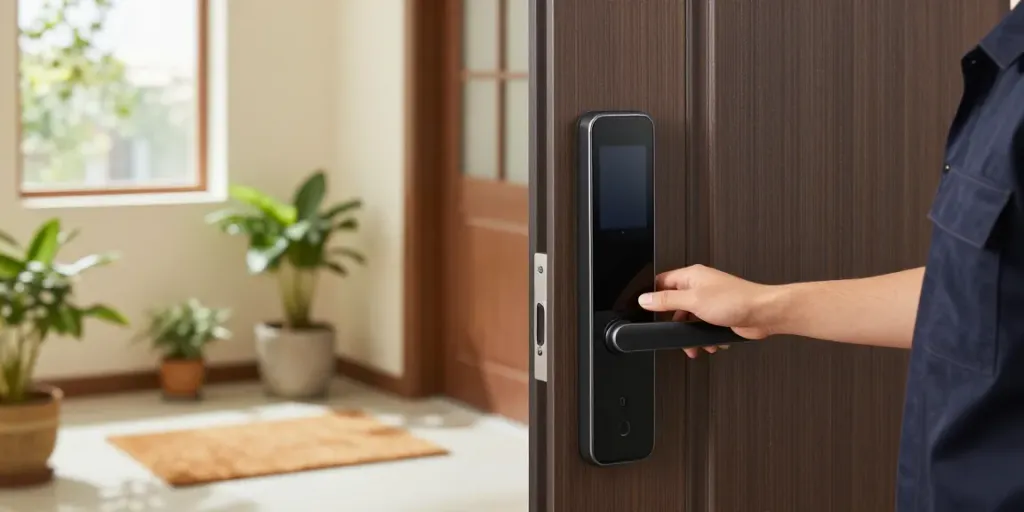
A smart lock is a keyless locking mechanism that leverages technology to enhance security and convenience. Unlike traditional locks that rely on physical keys, smart locks can be operated through smartphones, key fobs, or biometric scanning methods such as fingerprint recognition. This technological upgrade means that homeowners no longer need to worry about losing keys or being locked out.
Key Features of Modern Smart Locks
- Remote Access: Control your lock from anywhere using your smartphone.
- Activity Logging: Keep track of who enters and exits your home with detailed logs.
- Multiple Access Methods: Use key codes, smartphone apps, or biometric recognition.
- Integration with Smart Home Systems: Seamlessly connect with other smart devices for enhanced automation.
Types of Smart Locks Available on the Market
Smart locks are broadly categorized into several types based on their locking mechanisms and technology:
- Keypad Locks: Require a numerical code for access.
- Bluetooth Locks: Connect to smartphones via Bluetooth for operation.
- Wi-Fi Locks: Allow remote access over the internet.
- Biometric Locks: Utilize fingerprint or facial recognition.
- Smart Key Locks: Combine electronic and traditional locking mechanisms.
Why Invest in a Smart Lock?
Enhanced Security Benefits
Smart locks provide superior security features compared to traditional locks. They employ advanced encryption standards and often include biometric features that ensure only authorized personnel can gain access. For instance, a fingerprint recognition system can prevent unauthorized users from entering your property, making it significantly harder for intruders to bypass security measures.
Convenience and Access Control
One of the major advantages of smart locks is the convenience they offer. Homeowners can grant access remotely, monitor entries and exits in real-time, and even set specific time frames for when users can enter. This is particularly useful for managing access for guests, service personnel, or family members.
Cost-Effectiveness Over Time
While the initial investment for a smart lock may be higher than traditional locks, the long-term benefits often outweigh the costs. Savings can come from the reduction of lock replacements, the ability to avoid emergency locksmith services, and the enhanced security that can lead to lower insurance premiums.
Selecting the Right Smart Lock for Your Home
Factors to Consider Before Purchase
When selecting a smart lock, it’s vital to consider several factors:
- Type of Access: Decide whether you prefer a keypad, Bluetooth, or biometric access.
- Compatibility: Ensure the lock is compatible with your existing door and smart home devices.
- Power Source: Check if the lock requires batteries or needs to be wired.
- Brand Reliability: Research customer reviews and warranty offerings from brands.
Comparing Smart Lock Brands and Models
With numerous brands in the market, it’s essential to compare models based on features, price, and user reviews. Popular brands such as Bosch, Sharp, and J-Lock offer a variety of smart locks that cater to different needs and budgets.
Understanding Installation Requirements
Installation can vary greatly between smart locks. Some require professional installation, while others can be easily installed by the homeowner. Always check the installation requirements and decide if you prefer to hire a professional or tackle the installation yourself.
How to Install and Set Up Your Smart Lock
Step-by-Step Installation Guide
When ready to install your smart lock, follow the manufacturer's guidelines for a smooth setup. Generally, the steps include removing the existing lock, setting up the smart lock mechanism, and ensuring all components are securely in place. Don’t forget to install the accompanying app for ease of use.
Connecting Your Smart Lock to Wi-Fi and Apps
Once installed, connect your smart lock to your home Wi-Fi network. This is a crucial step for enabling remote access and additional features. Typically, this is done through the lock’s companion app on your smartphone.
Testing Security Features After Installation
After installation, test all security features to ensure they function correctly. This may include trying out remote access, checking the activity logs, and validating the responsiveness of biometric features.
Future Trends in Smart Lock Technology
Emerging Features and Innovations
The landscape of smart locks is rapidly evolving. Future innovations may include improved biometric recognition systems, AI-based security measures, and integration with more advanced home automation systems.
Impact of Smart Home Integration
As smart homes gain popularity, smart locks are expected to become even more integrated with other home systems. This could mean enhanced security through interconnected devices that work together to ensure maximum protection.
Predictions for Smart Lock Adoption by 2026
By 2026, it is anticipated that smart locks will dominate the market as more homeowners recognize their benefits over traditional locking mechanisms. With advancements in AI and machine learning, future smart locks are expected to offer unprecedented levels of security and user convenience.