
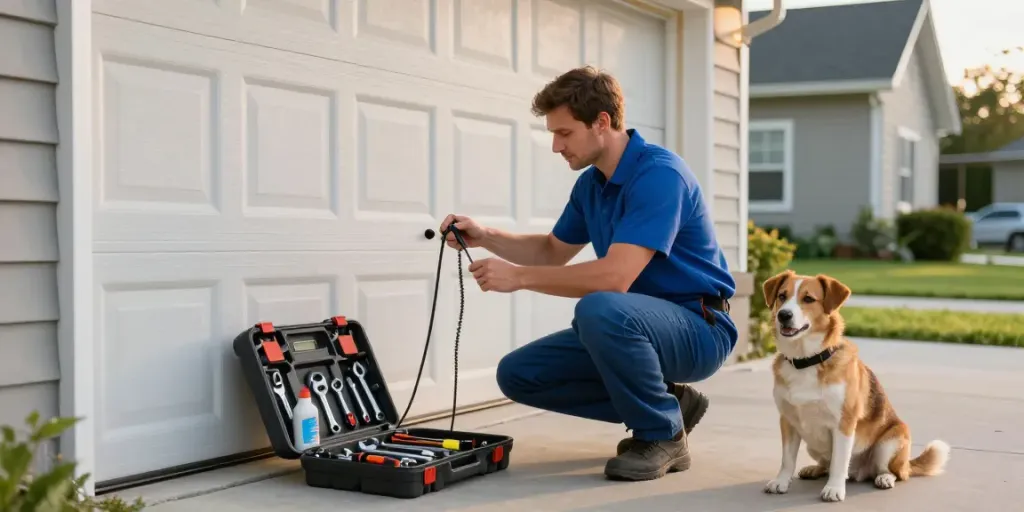
Understanding Garage Maintenance
Garage doors are essential components of any home, providing security and accessibility. However, like any mechanical system, they require regular upkeep to ensure optimal performance and longevity. Neglecting your garage door could lead to significant issues, including costly repairs and safety hazards. Given the chance for a malfunction, it's crucial to arm yourself with knowledge about garage maintenance to keep your door operating smoothly. This article will explore the importance of garage maintenance, common issues, best practices, and long-term benefits of maintaining your garage door systems.
What Is Garage Maintenance and Why Is It Important?
Garage maintenance involves the regular inspection, cleaning, and adjustment of various components of your garage door system. This process helps ensure that all parts are functioning correctly and that any potential problems are identified early, preventing more severe issues down the line. Routine garage maintenance is crucial because it:
- Increases the lifespan of your garage door.
- Ensures safety for those using the door.
- Maintains the door's functional efficiency.
- Avoids emergency repairs and associated costs.
Key Components of Garage Door Systems
Understanding the components of your garage door system is fundamental to proper maintenance. Key parts include:
- Garage Door Springs: These counterbalance the weight of the door and are critical for smooth operation.
- Garage Door Motor and Opener: Responsible for the automatic opening and closing of the door.
- Cables: Assist in lifting and lowering the door, and support the entire system.
- Tracks and Rollers: Guide the door as it opens and closes.
- Safety Sensors: Prevent the door from closing on objects or people.
The Long-term Benefits of Regular Maintenance
Investing time in regular maintenance not only enhances the functionality of your garage door but also offers long-term financial benefits. Some of these include:
- Reduced likelihood of expensive repairs.
- Improved energy efficiency, particularly with insulated garage doors.
- Higher resale value of your home with well-maintained features.
Common Garage Door Issues
Recognizing common problems can help homeowners address issues before they escalate. The following are frequent concerns that arise with garage doors:
Identifying Signs of Wear and Tear
Every garage door will show signs of wear and tear over time. Some indicators that maintenance is needed include:
- Unusual noises such as grinding or scraping during operation.
- The door not opening or closing smoothly.
- Increased resistance when operating the manual door.
- Visible rust or damage to components such as springs and cables.
Understanding Garage Door Spring Failure
The most common reason for a malfunctioning garage door is a broken spring. Signs that your spring may be failing include:
- The door opens only partway or not at all.
- The door falls quickly when lowered manually.
- A loud bang coming from the garage.
Regular visual checks can help spot these issues early, allowing for timely repairs.
Why Garage Door Sensors Matter
Safety sensors prevent accidents by detecting objects in the door's path. If the sensors are misaligned or functioning poorly, the door may not operate correctly. Signs of sensor problems include:
- The door reverses immediately after making contact with an object.
- The door does not close at all.
- Flashing lights on your garage door opener.
Maintenance Best Practices
To ensure optimal performance and prevent breakdowns, adopting best practices for garage maintenance is essential.
Essential Tools for Efficient Garage Maintenance
A well-equipped toolkit will help you perform basic maintenance efficiently. Important tools include:
- Screwdrivers (flat and Phillips)
- Wrenches and pliers
- Lubricants (silicone or lithium-based)
- Cleaning supplies (rags, mild detergent)
Step-by-Step DIY Maintenance Guide
Here’s a simple maintenance routine you can follow:
- Inspect: Regularly check all components for signs of wear.
- Clean: Remove debris from tracks and sensors.
- Lubricate: Apply lubricant to all moving parts, including springs and rollers.
- Adjust: Ensure that the door is properly balanced by checking its alignment and spring tension.
- Test: Operate the door multiple times to ensure smooth functionality.
When to Call a Professional Technician
While many maintenance tasks can be performed by homeowners, some situations warrant professional intervention. Always call a technician if you:
- Notice any broken springs or cables.
- Experience issues with the garage door opener.
- Feel uncertain about the repairs needed after an inspection.
Cost Considerations for Garage Maintenance
Understanding the costs associated with garage maintenance helps in budgeting effectively. It’s important to break down potential expenses:
Average Costs of Common Repair Services
Common garage door repairs can vary in cost based on issues and components involved:
- Spring replacement: $200 - $300
- Opener repair: $100 - $150
- Cable replacement: $150 - $250
- Sensor realignment: $50 - $100
How to Budget for Regular Garage Maintenance
Setting aside a maintenance budget can be very helpful. Consider creating a separate fund for garage expenses, accounting for both routine maintenance and emergency repairs. A monthly savings plan can cushion you against sudden costs.
Evaluating DIY vs. Professional Services
Determining whether to perform maintenance yourself or hire a professional depends on several factors:
- Your comfort level and skill set.
- The complexity of the repair needed.
- The time you can afford to invest.
For straightforward tasks, DIY may save you money, while more complex issues are best left to trained technicians.
Future Trends in Garage Maintenance
As technology evolves, so do the systems that manage our garage doors. Staying informed about industry trends can help homeowners adapt to new standards.
Emerging Technologies in Garage Door Systems
Smart garage door openers are becoming more popular, providing enhanced security and convenience. These devices allow homeowners to operate doors remotely, monitor activity, and receive alerts in case of any issues.
Impact of Smart Home Features on Maintenance
Integration with smart home systems means that your garage door maintenance could become more automated. Features such as diagnostic alerts can notify you of potential problems before they escalate, allowing for proactive maintenance.
Looking Ahead: Garage Maintenance Insights for 2026 and Beyond
As we move toward 2026, we can expect garage doors to incorporate more sustainable materials and energy-efficient technologies, promoting a greener approach to home maintenance.
What maintenance needs to be done on a garage door?
Your garage door needs regular inspections, cleaning, lubrication, and adjustment of parts to ensure safe and efficient operation.
How much does garage maintenance cost?
Costs can vary widely depending on the specific services required, but average repairs generally range from $50 to $300.
How often should a garage be serviced?
It's advisable to conduct a thorough inspection at least once a year, with more frequent checks if you use the garage door heavily.
Is garage door maintenance worth it?
Yes, regular maintenance is worth it as it can prevent costly repairs and extend the lifespan of your garage door system.
Can I perform garage maintenance myself?
Many basic maintenance tasks can be done by homeowners, but complex issues should be addressed by professionals.