Understanding BMW Maintenance Needs
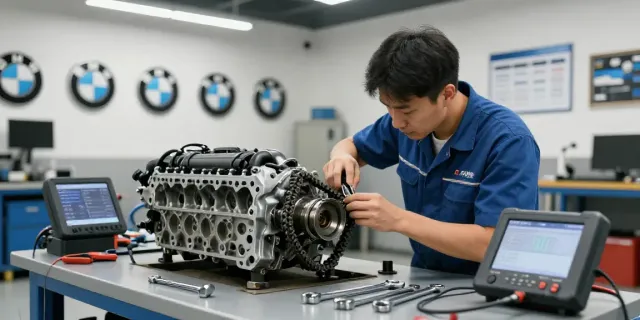
Owning a BMW is often a privilege accompanied by significant responsibility. BMW vehicles are synonymous with luxury, performance, and engineering excellence, but like any car, they require meticulous care to maintain their optimal functioning and longevity. This article delves into the common issues that BMW owners face, emphasizes the importance of regular inspections, and explores the unique tuning services available at a reputable bmw werkstatt hannover.
1. Common Issues Faced by BMW Owners
BMWs are known for their engineering precision, but they are not immune to mechanical issues. Some of the most prevalent problems that BMW owners encounter include:
- Electrical Failures: Many BMW models are equipped with complex electronic systems that can malfunction.
- Engine Overheating: This can result from coolant leaks or a failing water pump.
- Transmission Problems: BMW drivers may experience hesitation or slipping between gear shifts.
- Suspension Issues: Wear and tear on suspension components can lead to handling and stability problems.
2. Importance of Regular Inspections
Regular inspections are crucial for preventing minor issues from escalating into costly repairs. A proactive maintenance schedule not only ensures safety but also enhances the vehicle’s resale value. Engaging in routine checks facilitates early detection of problems, which can be less costly to fix. Skipping inspections could leave BMW owners vulnerable to unforeseen repairs that disrupt their driving experience and incur significant costs.
3. Unique Tuning Services Offered at BMW Werkstatt Hannover
One of the standout features of a specialized BMW workshop is the ability to offer customized tuning services. These services range from software optimization that enhances engine performance to physical alterations that improve exhaust flow. Notably, ECU Boost Service provides tailored tuning solutions that cater to individual performance goals and efficiency requirements, establishing itself as a leader in the Hannover area.
The Role of Technology in Automotive Repairs
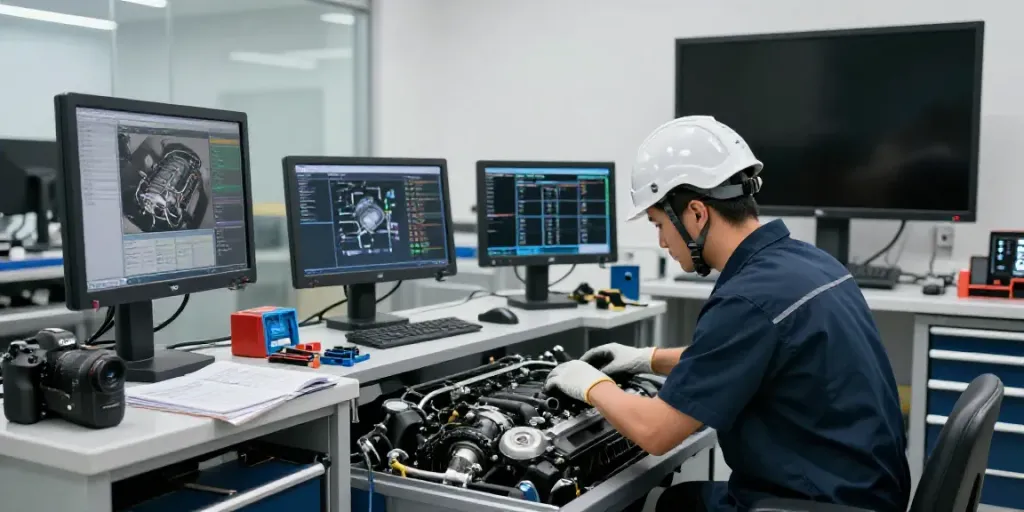
Modern automobile maintenance has been revolutionized by technology. BMW workshops leverage sophisticated diagnostics and advanced software to streamline the repair process, ensuring vehicles are maintained to the highest standards. The integration of technology in automotive repairs not only enhances efficiency but also improves the accuracy of diagnostics and the quality of service.
1. High-Tech Diagnostic Tools
The use of high-tech diagnostic tools is essential for identifying issues within a BMW vehicle. These tools range from OBD-II scanners to advanced software platforms capable of communicating with your car’s onboard computer. Such diagnostics help technicians pinpoint problems quickly, minimizing time spent in the shop and ensuring that repairs are conducted effectively.
2. Software Solutions for Engine Management
Software solutions play a critical role in managing engine performance. Up-to-date tuning files can significantly enhance engine efficiency and output. Workshops that specialize in BMW vehicles, such as ECU Boost Service, provide bespoke tuning solutions that not only improve performance but also adhere to environmental regulations.
3. Innovations in Vehicle Maintenance Practices
Innovative vehicle maintenance practices are continually evolving, with emerging technologies like predictive maintenance becoming crucial. This approach allows workshops to anticipate potential failures before they occur, using data analytics to predict when specific components will need servicing. This shift from reactive to proactive maintenance leads to improved reliability and fewer unexpected breakdowns.
Expert Tips for Choosing a BMW Werkstatt
Selecting the right BMW workshop is pivotal for ensuring your vehicle receives the best care. Given the numerous options available, consider the following factors to make an informed choice:
1. Qualifications of Technicians
The expertise of the mechanics is paramount. Ensure that the technicians are certified and well-trained in handling BMW-specific issues. Specialized training ensures that technicians are equipped with the knowledge required to maintain and repair advanced BMW systems accurately.
2. Importance of Customer Reviews
Customer feedback offers invaluable insights into the quality of service provided by a workshop. Look for workshops with a strong reputation and positive reviews from previous customers. Satisfied clients can attest to the effectiveness and reliability of the services offered.
3. Services to Look for in a Reliable Workshop
A comprehensive service offering is indicative of a well-rounded workshop. Ensure that the workshop provides a full range of services, including maintenance, inspections, and specialized tuning. This ensures that all your BMW's needs can be met under one roof, saving you time and hassle.
Understanding DPF Cleaning and Engine Upgrades
As emissions regulations become more stringent, understanding systems like Diesel Particulate Filters (DPF) is essential for BMW owners. Proper maintenance and upgrading can lead to enhanced vehicle performance and compliance with environmental standards.
1. What is DPF and Why is Cleaning Necessary?
The DPF is a crucial component in reducing emissions from diesel engines. Over time, it accumulates soot and ash, which can lead to blockages. Cleaning the DPF not only restores engine performance but also prevents costly repairs and ensures compliance with emission standards. Neglecting this service can lead to reduced fuel efficiency and increased emissions.
2. Benefits of Upgrading BMW Intake Manifolds
Upgrading the intake manifold can significantly enhance an engine's performance. This modification allows for improved air flow, resulting in increased horsepower and torque. It’s particularly beneficial for those who engage in performance tuning or who frequently drive in demanding conditions.
3. How Customized Tuning Files Enhance Performance
Customized tuning files can optimize an engine's settings to match specific performance goals. These files can recalibrate fuel injection rates, boost levels, and ignition timing for enhanced power and efficiency. The advancements in tuning technology mean that customized solutions can be tailored to meet individual driver preferences, leading to a more enjoyable driving experience.
Future Trends in BMW Services
The automotive service industry is continuously evolving, with future trends pointing towards greener, more efficient practices. Understanding these trends can prepare BMW owners for what to expect in the coming years.
1. The Rise of Eco-Friendly Maintenance Solutions
As sustainability becomes a priority, workshops are increasingly adopting eco-friendly practices. This includes using biodegradable cleaning products and energy-efficient tools. BMW owners can expect more workshops to incorporate these practices, reducing the environmental impact of maintenance services.
2. Advancements in Automotive Software
As vehicle technology progresses, so too does the software used to maintain it. Expect to see more sophisticated programs that can predict maintenance needs and update vehicle software remotely. These advancements will enhance both the driving experience and the efficiency of the maintenance process.
3. Predictions for the BMW Service Industry in 2026
By 2026, the BMW service industry will likely see significant changes driven by technology and consumer demand for convenience and sustainability. Workshops may offer on-demand services for maintenance and repairs, utilizing mobile applications and telematics data to engage with clients more effectively. As electric and hybrid vehicles become more common, specialized training in these technologies will also expand.