Understanding the BMW Timing Chain System
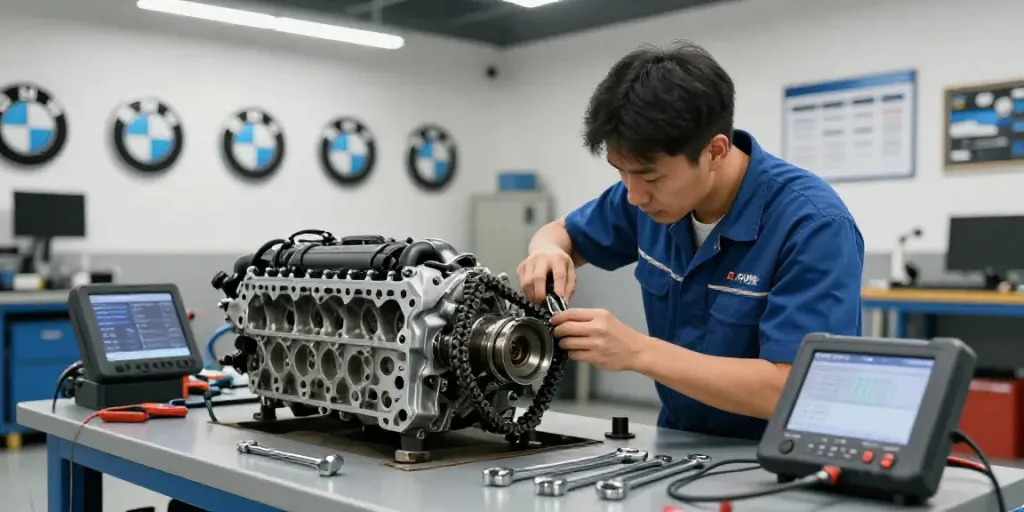
The timing chain is a critical component of a BMW’s engine, responsible for synchronizing the rotation of the crankshaft and camshaft. This synchronization ensures that the engine's valves open and close at the right time during each cylinder's intake and exhaust strokes. Unlike timing belts, which can wear out and require regular replacement, timing chains are designed for durability and typically last much longer. However, they are not without their issues, particularly in certain BMW models, which can lead to costly repairs if not addressed promptly. For residents of Hannover looking for reliable service, exploring options for bmw steuerkette hannover is essential.
What is a Timing Chain and Its Function?
The timing chain is made of metal links and operates in oil for lubrication, which contributes to its longevity. Its main function is to maintain the precise timing of the opening and closing of valves in relation to the movement of the pistons. This is crucial for optimal engine performance and efficiency. If the timing chain fails, it can lead to severe engine damage, including bent valves and a complete engine rebuild, making regular maintenance and timely replacement essential.
Common Issues with BMW Timing Chains
While BMWs are renowned for their performance engineering, they are not immune to issues with timing chains. Common problems include:
- Chain Stretch: Over time, the timing chain can stretch, leading to a misalignment of the engine’s timing.
- Worn Tensioners: The tensioners are responsible for keeping the timing chain tight. A failing tensioner can cause slack in the chain, which can ultimately lead to failure.
- Oil Sludge: Poor oil maintenance can lead to sludge buildup, which can affect the lubrication of the timing chain and its components.
Signs Your Timing Chain Needs Replacement
Being proactive about engine issues can save BMW owners significant repair costs in the long run. Here are key signs that your timing chain may need replacement:
- Unusual Noises: A rattling noise from the engine could indicate a loose or stretched timing chain.
- Check Engine Light: If the check engine light comes on, it may signal timing chain issues.
- Engine Misfiring: A misaligned timing chain can lead to poor engine performance, resulting in misfires.
BMW Steuerkette Hannover: Key Considerations
When it comes to BMW timing chain services in Hannover, it's important to consider several factors before choosing a service provider. The quality of service can significantly affect the longevity and performance of your engine.
Choosing the Right BMW Service in Hannover
Selecting a reliable service center requires thorough research. Look for a workshop that specializes in BMWs and has certified technicians familiar with the nuances of your vehicle model. Online reviews, referrals from fellow BMW owners, and local reputation should guide your choice. A well-established service, such as the one found at bmw steuerkette hannover, can offer comprehensive support for your BMW needs.
Cost Factors for Timing Chain Replacement
The cost of timing chain replacement varies based on several factors:
- Model and Year: Different BMW models have varying complexities, affecting labor and parts costs.
- Location: Labor rates can vary significantly in Hannover, depending on the service provider’s location and reputation.
- Parts Quality: Original equipment manufacturer (OEM) parts are more expensive but often recommended for reliability.
Warranty and Maintenance Tips for BMW Owners
Most reputable service centers will offer a warranty on parts and labor, so be sure to ask about warranty details before committing to service. Additionally, regular maintenance is key to prolonging the life of your timing chain:
- Change the engine oil regularly to prevent sludge buildup.
- Monitor engine performance and listen for unusual noises.
- Keep an eye on the check engine light as it can be an early warning sign of issues.
Step-by-Step Guide to Timing Chain Maintenance
Performing regular inspections and maintenance of your timing chain is crucial for avoiding major issues down the line.
Inspection Procedures for Your BMW
Regular inspections of the timing chain include checking for tension and wear. A thorough inspection might involve:
- Visual checks of external components for signs of wear.
- Listening for unusual noises when the engine is running.
- Using diagnostic tools to read error codes if the check engine light activates.
DIY Tips vs. Professional Services
While some BMW owners may feel comfortable checking their timing chains themselves, it’s often best to leave more complex maintenance to professionals. DIY checks can help identify issues early, but comprehensive services, including replacement, should be handled by trained technicians.
Best Practices for Long-Lasting Engine Performance
To ensure the longevity of your BMW’s engine and its timing chain, consider these best practices:
- Schedule regular maintenance checks with a trusted service provider.
- Use high-quality oil and change it at recommended intervals.
- Address any signs of engine trouble immediately to prevent further damage.
Real-World Case Studies
Understanding real-world applications can provide valuable insights into timing chain issues and resolutions.
Successful Timing Chain Replacements in Hannover
There are numerous examples in Hannover where timely intervention led to successful repairs. Many vehicle owners have shared positive experiences when opting for specialized services that focus on BMWs. These case studies highlight the importance of addressing issues early and seeking expert help.
Analyzing Common Mistakes in Installation
A common concern with timing chain replacements is improper installation. Mistakes can lead to significant issues down the line, such as misaligned chains resulting in engine damage. Workshops with a solid track record ensure that technicians are well-trained, minimizing these risks.
Learning from Customer Experiences and Feedback
Customer feedback can provide invaluable information on the quality of service provided by various workshops. BMW owners are encouraged to share their experiences, as this can assist others in making informed decisions about their vehicle maintenance.
Future Trends in Automotive Timing Chain Technology
As automotive technology evolves, so do the components that make engines run. Timing chains are no exception.
Innovations in Timing Chain Designs and Materials
Future advancements may include the use of lighter, more durable materials that can withstand extended wear and reduce engine load. Innovations in design could also enhance the efficiency of timing chains, allowing for smoother operations.
Predictions for BMW Maintenance Practices in 2026
Looking ahead, it’s likely that predictive maintenance will become more common, allowing for real-time monitoring of engine components, including the timing chain. This evolution will help owners stay ahead of potential issues before they escalate into costly repairs.
The Role of Technology in Automotive Repairs
Technology will increasingly play a role in automotive repairs, with advanced diagnostic tools aiding in the early detection of engine issues. Services that remain current with technological advancements will be best positioned to offer high-quality, efficient repairs for BMW owners.