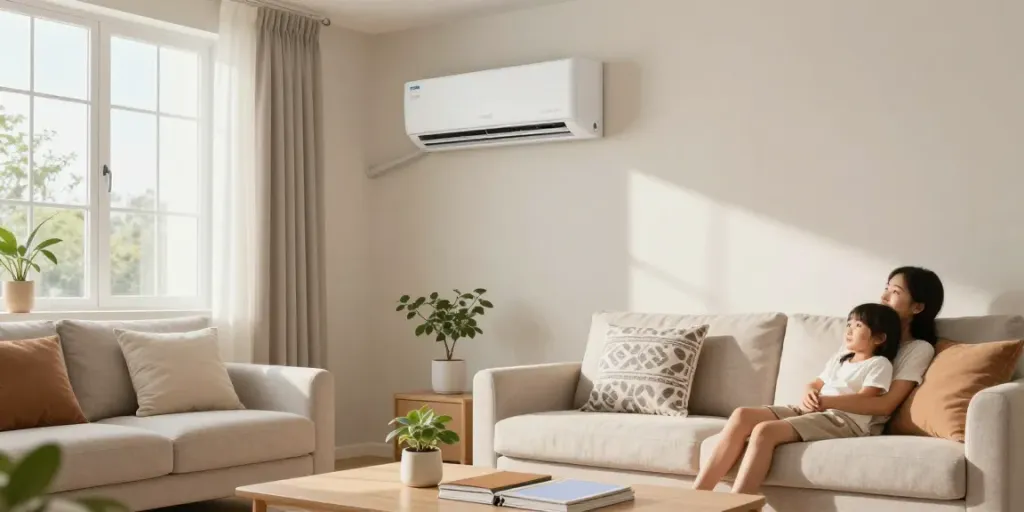
Understanding Mini Split Systems
As energy efficiency becomes increasingly important in modern home design, mini split systems have emerged as a popular choice for homeowners looking to improve their comfort while reducing energy costs. These compact systems provide both heating and cooling without the need for extensive ductwork, making them a versatile option for a variety of living spaces. In this article, we will explore what mini split systems are, how they operate, their key benefits, and how to select the right one for your specific needs.
What is a Mini Split System?
A mini split system, often referred to as a ductless air conditioning system, comprises two main components: an outdoor unit (the compressor) and one or more indoor units (the air handlers). Unlike traditional HVAC systems that rely on ductwork to distribute air, mini splits use refrigerant lines to connect the indoor and outdoor units, allowing for efficient temperature control in individual rooms or designated areas.
How Does a Mini Split Work?
The operation of a mini split system involves the transfer of heat between the indoor and outdoor units. When cooling is needed, the indoor unit absorbs heat from the room and transfers it to the outdoor unit, where it is expelled. Conversely, during heating mode, the process is reversed: heat is extracted from the outdoor air and brought indoors. This efficient heat exchange process allows mini split systems to maintain comfortable temperatures with less energy consumption compared to traditional HVAC systems.
Key Features and Benefits of Mini Splits
- Energy Efficiency: Mini split systems are known for their high Seasonal Energy Efficiency Ratio (SEER) ratings, providing significant energy savings, especially in moderate climates.
- Flexible Installation: These systems require minimal installation space and can be mounted on walls, ceilings, or even suspended from the floor, making them adaptable to various architectural designs.
- Individual Zone Control: Mini splits allow you to control the temperature in different rooms independently, which is ideal for homes with varying heating or cooling needs.
- Quiet Operation: Many mini split units operate at low noise levels, contributing to a peaceful environment in your living space.
Choosing the Right Mini Split for Your Space
When selecting a mini split system, it is essential to consider your specific needs and room characteristics to ensure optimal performance and energy efficiency.
Assessing Your Room Size and Requirements
To determine the appropriate capacity of a mini split system, calculate the square footage of the area you wish to heat or cool. The required output is measured in British Thermal Units (BTUs). A general rule of thumb is to allocate around 20 BTUs per square foot of living space. However, factors such as insulation quality, ceiling height, and local climate should also be taken into account.
Comparing Different Brands and Models
With several manufacturers offering mini split systems, it is vital to compare features, performance, and warranties. Look for reputable brands that provide energy-efficient models equipped with advanced technology, such as programmable thermostats and smart home integration capabilities.
Understanding Energy Efficiency Ratings
Energy efficiency ratings are critical indicators of a mini split system's performance. Be sure to check the SEER rating for cooling and the Heating Seasonal Performance Factor (HSPF) for heating. Higher ratings denote more efficient systems, which can translate into lower energy bills and a reduced carbon footprint.
Installation and Maintenance of Mini Split Systems
Proper installation and regular maintenance are essential for maximizing the lifespan and efficiency of your mini split system.
Steps for Proper Mini Split Installation
Mini split installation generally involves mounting the indoor unit, connecting refrigerant lines, and setting up the outdoor unit. It is advisable to hire a certified HVAC technician to ensure compliance with local regulations and to achieve optimal results. A professional will also conduct a thorough assessment of your space to determine the best placement for the indoor and outdoor units.
Regular Maintenance Tips for Longevity
Routine maintenance is vital for ensuring your mini split system operates efficiently. Tasks should include cleaning or replacing air filters regularly, checking refrigerant levels, and scheduling annual professional inspections to identify potential issues before they escalate.
Common Installation Mistakes to Avoid
Avoid common mistakes such as undersizing the system, improper placement of indoor units, and neglecting to insulate refrigerant lines. These errors can decrease energy efficiency and increase operational costs.
The Cost of Mini Split Systems
The upfront costs of mini split systems can vary widely based on factors such as capacity, brand, and installation complexity. However, many homeowners find that the long-term savings on energy bills make mini splits a cost-effective choice over time.
Initial Purchase and Installation Costs
The typical price range for mini split systems, including installation, is between $3,000 to $5,000 for standard models. Higher-end systems with advanced features or multiple indoor units can exceed these costs. Always obtain multiple quotes from certified installers to ensure a fair price.
Long-term Savings on Energy Bills
Due to their energy-efficient operation, mini splits can lead to significant savings on monthly energy bills. Homeowners often report reductions of 30% or more in heating and cooling expenses compared to conventional systems.
Financing and Incentives Available in 2026
As energy efficiency becomes a national priority, many states and utility companies offer various incentives and rebates for installing energy-efficient systems like mini splits. Research local programs that can help offset the initial investment and improve your return on investment.
Future Trends in Mini Split Technology
The mini split market continues to evolve, driven by technological advancements and changing consumer needs.
Innovations in Energy Efficiency
Future developments are likely to focus on enhancing energy efficiency through improved refrigerants and advanced control systems. Expect to see mini splits with even higher SEER ratings, offering better performance in a wider range of environmental conditions.
Smart Technology Integration in Mini Splits
Smart home technology is set to revolutionize mini splits as well. Many manufacturers are now offering models that integrate with home automation systems, allowing for remote monitoring and control via smartphones or voice-activated devices. This not only enhances convenience but also optimizes energy use.
Predictions for Market Growth and Consumer Adoption
As the demand for energy-efficient solutions rises, the mini split market is expected to grow. Increased consumer awareness and government regulations focusing on environmental sustainability will likely drive more homeowners to consider installing these systems.
What Should You Know About Mini Splits?
Before deciding on a mini split system, it’s essential to understand both its advantages and disadvantages. While they offer flexibility and energy savings, initial equipment and installation costs can be higher than traditional systems.
Which Brand of Mini Split System is Best?
When searching for the best mini split system, consider efficiency ratings, customer reviews, warranty options, and the availability of customer service. Some top brands include Mitsubishi, Daikin, and Fujitsu, each offering a range of models to suit different needs.
Disadvantages of Mini Split Systems?
Common disadvantages may include the higher upfront installation costs and aesthetic concerns regarding indoor unit placement. Additionally, insufficient insulation can lead to reduced efficiency, so it’s critical to ensure your space is properly insulated before installation.
How Much Does Mini Split Installation Cost?
Installation costs typically range from $1,500 to $3,000, depending on the complexity and size of the system. Always consult with a qualified HVAC contractor to obtain an accurate estimate based on your specific requirements.
Do Mini Splits Increase Energy Bills?
When installed and maintained correctly, mini split systems can reduce energy bills rather than increase them. Their efficiency in both heating and cooling applications leads to lower energy consumption compared to traditional HVAC systems.